
Get Utility Trenching in Denver, CO
Utility trenching services for Denver property owners involve excavation and installation of underground utilities like water, gas, or electrical lines to prevent damage and ensure safe, reliable connections.
Property owners in Denver, CO, considering utility trenching projects often seek reliable solutions to facilitate essential infrastructure improvements. Whether installing new electrical lines, water pipes, or communication cables, proper trenching is a critical step that requires careful planning and skilled execution. Exploring local contractors can help ensure the work aligns with regional codes and environmental conditions, providing peace of mind that the project will be handled efficiently and effectively.
Comparing options among nearby service providers can assist property owners in making informed decisions as they plan their projects. Understanding the capabilities and experience of local contractors can help determine the best approach for trenching needs, whether for residential developments, commercial upgrades, or property expansions. Continuing to explore available services can lead to finding the right partners to support successful project outcomes in the Denver area.
- Utility Trenching - needed when installing new underground utilities in neighborhoods like Capitol Hill or Highland.
- Utility Trenching - required for upgrading or repairing existing utility lines in areas such as Five Points or LoDo.
- Utility Trenching - necessary for running electrical, water, or gas lines beneath streets or driveways in Denver suburbs.
- Utility Trenching - used when establishing new service connections for commercial or residential properties in the Denver metro area.
- Utility Trenching - essential for infrastructure projects involving the installation of fiber optic or communication cables in urban neighborhoods.
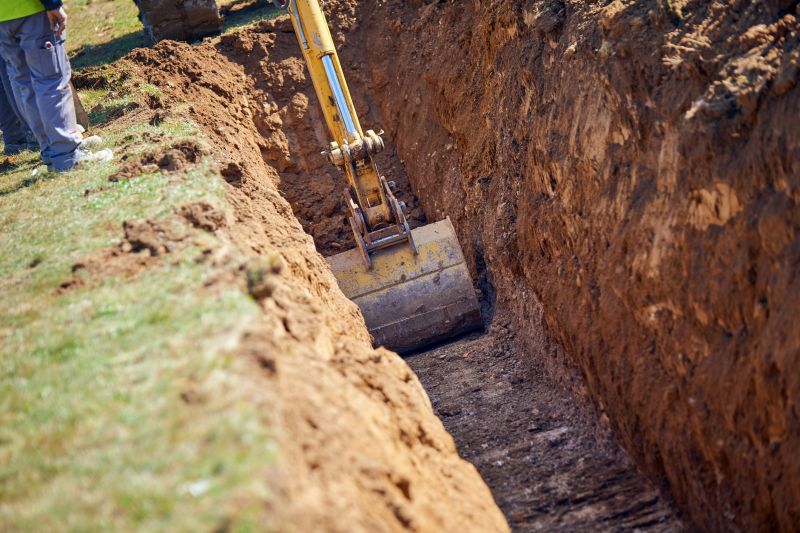
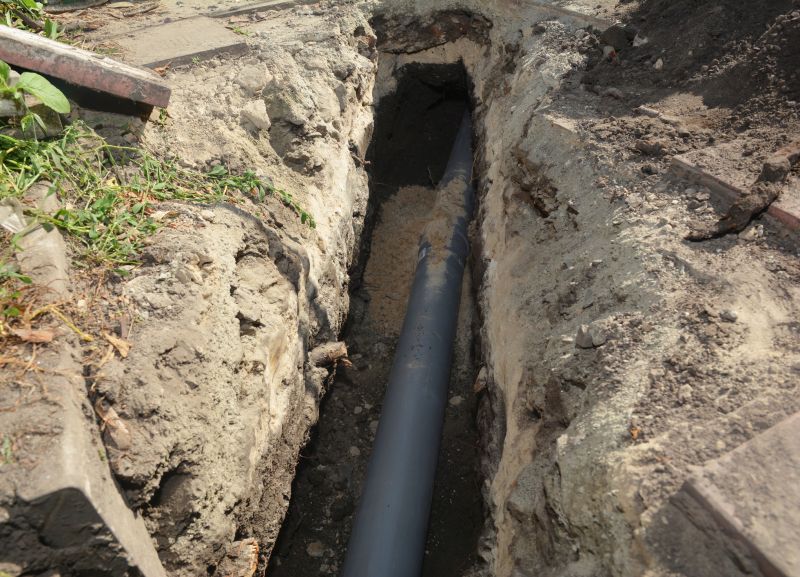
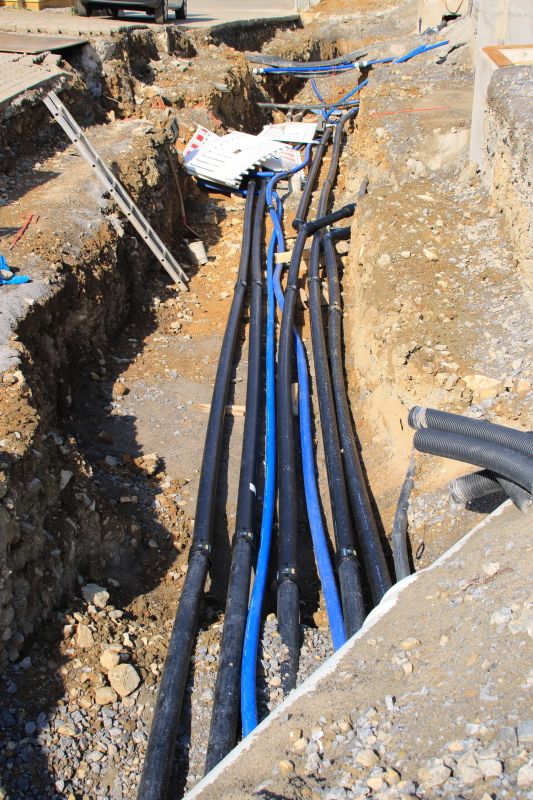
Utility trenching services involve digging narrow, deep channels in the ground to lay or repair underground utilities such as electrical wiring, water lines, gas pipes, and communication cables. This work typically requires precise excavation to ensure utilities are installed safely and efficiently, often following specific depth and alignment standards. Trenching is essential for connecting new utility lines to existing infrastructure or replacing aging pipes and cables, helping to maintain the functionality and safety of essential services in residential, commercial, and industrial properties.
This service helps solve a variety of problems related to utility installation and repair. For homeowners, trenching may be necessary when adding outdoor lighting, installing a new sprinkler system, or upgrading electrical service to accommodate modern appliances. It also addresses issues like leaking water lines or damaged underground cables that need replacement. Proper trenching ensures that utilities are buried securely and protected from damage, reducing the risk of future problems and minimizing disruption to property use.
Properties that typically utilize utility trenching include single-family homes, apartment complexes, commercial buildings, and industrial sites. Residential properties often require trenching for outdoor electrical outlets, irrigation systems, or sewer line repairs. Commercial properties may need trenching for new utility connections, data cabling, or drainage improvements. Industrial sites with extensive infrastructure often depend on trenching to install or maintain large-scale utility networks that support daily operations. No matter the property type, professional trenching ensures that underground utilities are installed correctly and safely.
When property owners face utility-related challenges or plan new installations, engaging experienced local contractors for trenching services can provide the expertise needed for a successful project. These professionals use specialized equipment and techniques to minimize disruption and ensure the work complies with local standards. Whether upgrading existing utilities or installing new lines, trenching services are a practical solution for maintaining the integrity and safety of underground infrastructure on a variety of property types.
The overview below groups typical Utility Trenching projects into broad ranges so you can see how smaller, mid-sized, and larger jobs often compare in Denver, CO.
In many markets, a large share of routine jobs stays in the lower and middle ranges, while only a smaller percentage of projects moves into the highest bands when the work is more complex or site conditions are harder than average.
Small Repairs - Typical costs for minor utility trenching jobs in Denver range from $250 to $600. Many routine repairs and small installation projects fall within this range, depending on the length and depth of the trench required. Fewer projects reach the higher end of this spectrum.
Standard Trenching - For standard utility trenching services, local contractors usually charge between $600 and $2,000. This range covers most common projects such as laying new cables or pipes for residential properties. Larger or more complex jobs can push costs higher but remain less common.
Full Replacement - Complete utility line replacements or extensive trenching projects can cost from $2,000 to $5,000 or more. These projects are typically larger in scope and may involve significant excavation and restoration work, which can increase costs significantly.
Complex or Custom Projects - Highly specialized or custom trenching projects, such as those involving difficult terrain or multiple utilities, can exceed $5,000. These are less frequent and often require detailed planning and advanced equipment, impacting the overall cost.
Actual totals will depend on details like access to the work area, the scope of the project, and the materials selected, so use these as general starting points rather than exact figures.
Underground Utility Installation - local contractors often perform trenching to install or repair underground utilities such as water, gas, and electrical lines.
Drainage System Excavation - trenching skills are used to lay drainage pipes and improve stormwater management around properties.
Fiber Optic Cable Deployment - utility trenching is essential for laying fiber optic cables for high-speed internet connections.
Stormwater Drainage Projects - trenching is a key part of installing or upgrading stormwater drainage systems to prevent flooding.
Sanitary Sewer Line Replacement - local service providers use trenching to replace or upgrade sewer lines efficiently.
Electrical Conduit Installation - trenching is necessary for laying electrical conduits for new or existing infrastructure projects.
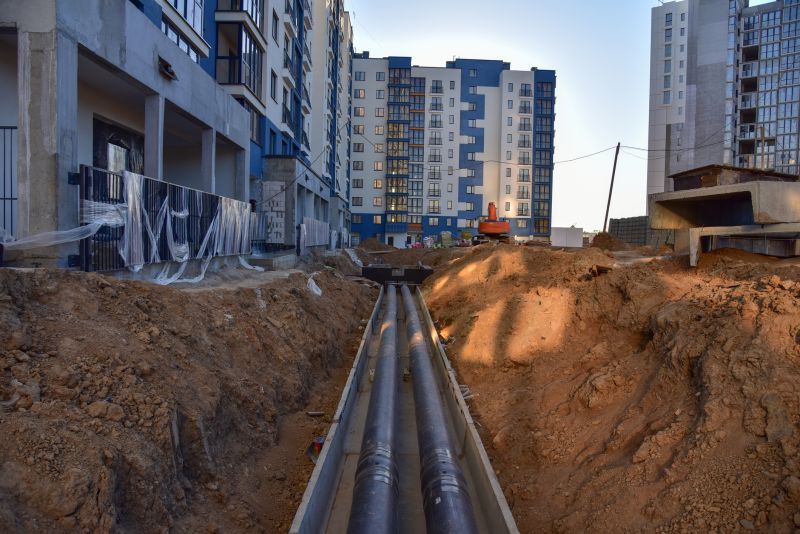
When evaluating contractors for utility trenching services in Denver and nearby areas, it’s important to consider their experience with similar projects. Homeowners should look for service providers who have a proven track record of handling trenching work comparable in scope and complexity to the project at hand. This can help ensure that the contractor understands the specific challenges involved, such as working around existing utilities or navigating the local soil conditions. Asking about past projects or requesting examples of completed work can provide insight into their familiarity with trenching tasks similar to what’s needed for the property.
Clear, written expectations are essential to establishing a successful working relationship with a service provider. Homeowners should seek out contractors who are willing to provide detailed descriptions of the scope of work, including the methods they plan to use and any preparations or considerations required. Having these expectations documented helps prevent misunderstandings and ensures everyone is aligned on project goals. It’s also beneficial to clarify how the trenching will impact the property, what the process will entail, and any responsibilities the homeowner might have during the project.
Reputable references and effective communication are key indicators of a reliable contractor. Pros with a history of satisfied clients and positive feedback are more likely to deliver quality work. Homeowners should inquire about references or reviews from previous customers who had similar trenching projects. Additionally, good communication skills-such as responsiveness, transparency, and willingness to answer questions-are vital for staying informed and feeling confident throughout the process. The site serves as a resource for connecting homeowners with local contractors who meet these criteria, helping to find experienced, clear, and communicative service providers suited to the specific needs of the project.
Property owners in Denver, CO use Utility Trenching services for practical projects around their homes and businesses. This guide focuses on everyday jobs and straightforward project options.
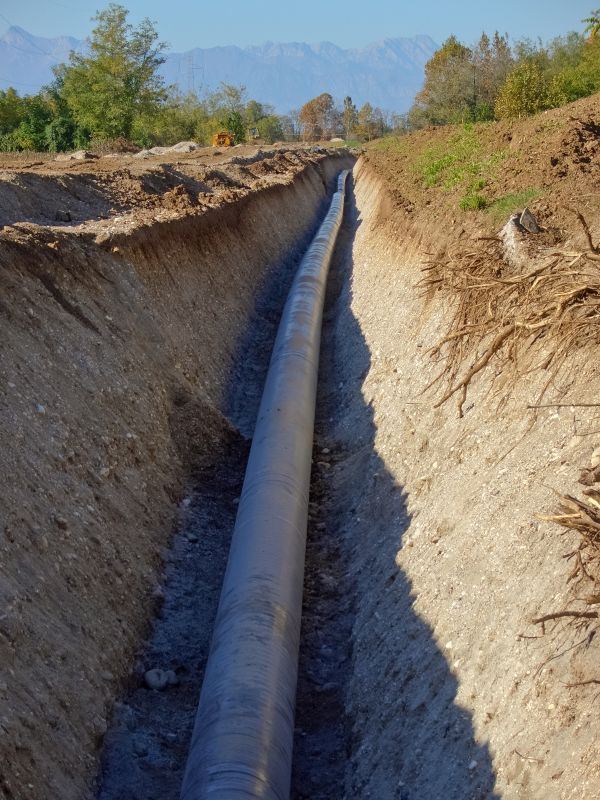
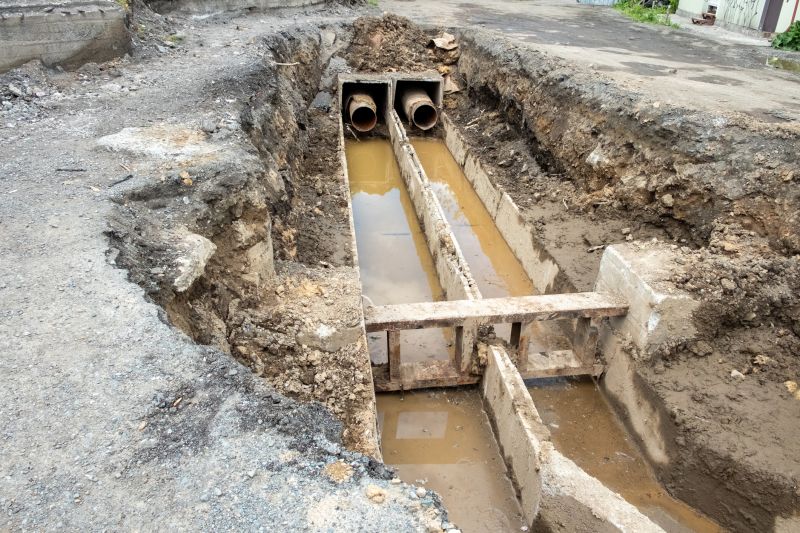
Utility trenching services are often needed when property owners in Denver, CO, need to install or upgrade underground utilities such as water lines, electrical cables, or gas pipes. Whether a homeowner is adding a new sprinkler system, replacing aging infrastructure, or connecting a detached garage to the main electrical supply, local contractors can handle these trenching projects efficiently. These services are also common during landscape renovations or when preparing a property for new construction, ensuring that all underground utilities are properly laid out and protected.
Property owners may seek utility trenching to address issues like damaged pipes or to facilitate the installation of new amenities. In Denver’s varied terrain, trenching can be essential for navigating around rocky soil or existing infrastructure without causing unnecessary disruption. Local service providers are equipped to manage these everyday project situations, providing the necessary excavation work to support reliable utility connections and upgrades.
What is utility trenching used for? Utility trenching is used to install or repair underground utilities such as electrical lines, water pipes, or communication cables in Denver and nearby areas.
How do contractors ensure proper trench depth? Local contractors follow standard guidelines and project requirements to ensure trenches are dug to appropriate depths for safety and functionality.
What types of soil conditions can affect trenching work? Soil conditions like rocky, sandy, or clay soils can influence trenching methods and equipment used by service providers.
Are there specific permits needed for utility trenching? Permit requirements vary by location, and local service providers can advise on necessary approvals for trenching projects in Denver area.
What safety measures are typically taken during trenching? Contractors implement safety protocols such as shoring, fencing, and proper signage to protect workers and surrounding areas during trenching work.
Underground Utility Installation - Property owners can have local contractors install new electrical, water, or gas lines to improve or expand their home’s infrastructure.
Drainage and Sewer Trenching - Homeowners planning to upgrade or repair their drainage systems can utilize trenching services to install or replace sewer lines efficiently.
Landscape and Garden Projects - Gardeners and landscapers might use trenching to lay irrigation systems or underground wiring for outdoor lighting.
Renewable Energy Setup - Property owners interested in solar or alternative energy sources can have trenches dug to install wiring or conduits for sustainable energy systems.
If you are thinking about Utility Trenching for a property in Denver, CO, this guide is meant to help you understand the work, the typical project types, and how different options might fit your plans.
When you are ready, you can use the quote form on this page to share a few details about your project. From there, local pros can review the basics and respond with options that match what you have in mind.