
Get Trench Installation in Denver, CO
Trench installation services help Denver property owners install or repair underground utilities, drainage systems, or irrigation lines, solving issues with access, safety, and proper infrastructure.
Property owners in Denver, CO, considering trench installation services often seek reliable local contractors to help plan and execute their projects. Whether preparing for new utility lines, drainage improvements, or landscape enhancements, having experienced professionals handle the work can ensure proper planning and adherence to local regulations. Exploring options within the area allows property owners to compare different service providers, assess their expertise, and find the right match for their specific needs.
If you are evaluating trench installation services, it’s helpful to gather information about the types of solutions available locally. Many service providers have experience working in Denver’s unique environment, which can influence project planning and execution. Continuing to explore your options can lead to connecting with experienced contractors who are well-equipped to handle the details of your project, making the process smoother and more manageable.
- Utility Trench Installation - needed when installing or upgrading underground electrical, water, or gas lines in neighborhoods like Capitol Hill or Highlands Ranch.
- Drainage and Irrigation Trenches - required for setting up drainage systems or sprinkler lines in residential yards or commercial properties in Denver.
- Foundation and Basement Trenches - necessary during foundation repairs or basement waterproofing projects in areas such as Cherry Creek or Littleton.
- Landscape and Garden Trenches - used when creating planting beds or installing landscape features in yards across Aurora or Lakewood.
- Repair and Maintenance Trenches - needed for fixing damaged underground utilities or addressing plumbing issues in local homes and businesses.
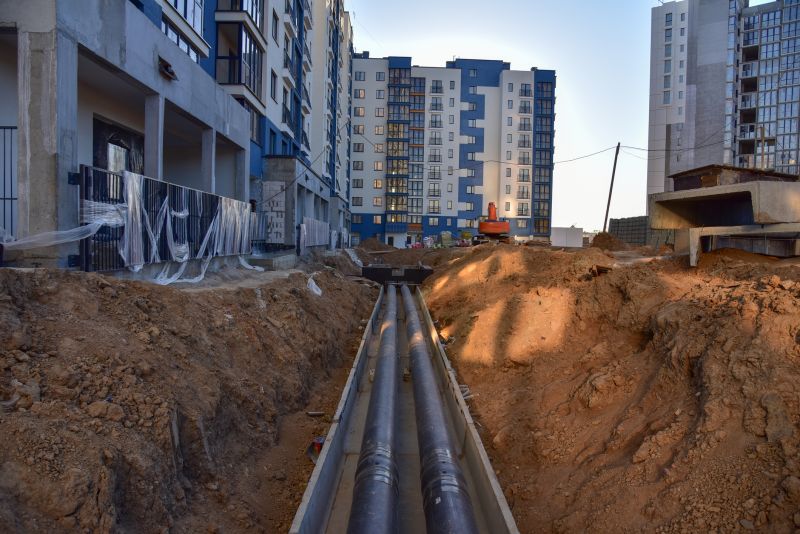
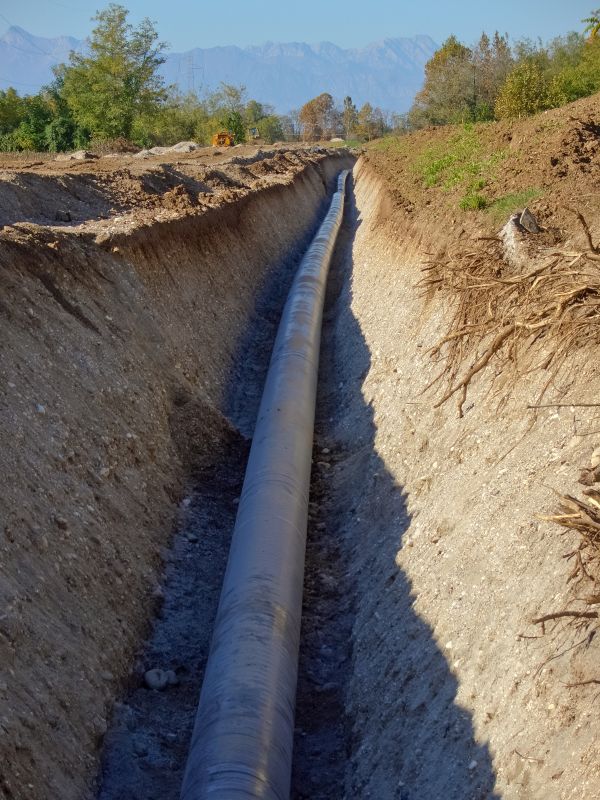
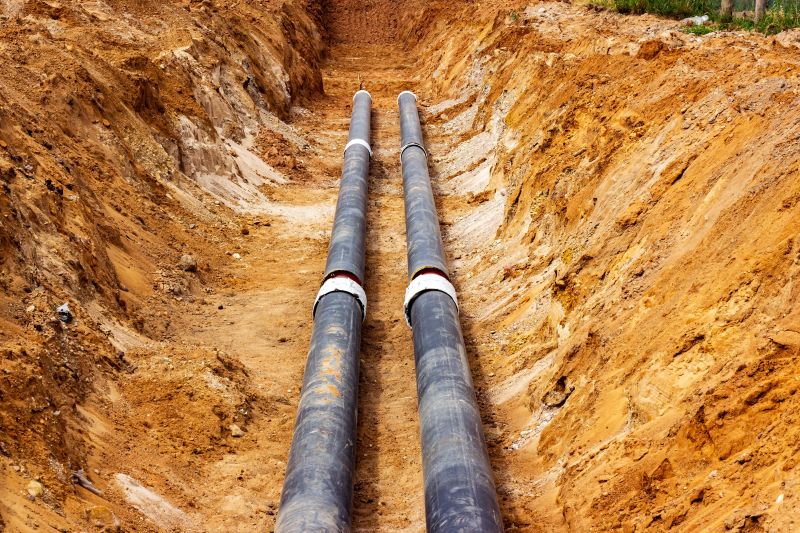
Trench installation services involve digging and preparing narrow, deep channels in the ground to serve various construction and landscaping needs. This process typically includes excavation, shaping, and sometimes reinforcement of the trench to ensure it meets the specific requirements of the project. Whether for laying utility lines, drainage systems, or foundation footings, experienced contractors use specialized equipment and techniques to perform these tasks efficiently and accurately. Proper trench installation is essential for creating a stable and safe infrastructure for both residential and commercial properties.
One common reason homeowners seek trench installation is to address drainage problems that lead to water pooling, basement flooding, or soil erosion around the property. Installing proper drainage pipes or French drains within trenches can help direct excess water away from the foundation and landscape, reducing the risk of damage and maintaining a healthier yard. Additionally, trenches are often necessary when upgrading or installing new utility lines such as water, sewer, or electrical conduits, ensuring these systems are safely buried and protected from future disturbances. Service providers can assess the property’s needs and recommend the most effective trenching solutions.
Properties that typically benefit from trench installation include single-family homes, multi-unit residential buildings, and commercial establishments. Homes with aging utility lines or inadequate drainage systems often require trenching to modernize and improve their infrastructure. Larger properties, such as apartment complexes or retail centers, may need extensive trenching for utility upgrades or landscape irrigation systems. Regardless of property size, trench installation can be a practical solution for addressing underground infrastructure needs, ensuring that essential lines and systems are properly installed and maintained.
Homeowners in areas prone to heavy rainfall, poor soil drainage, or frequent utility upgrades often find trench installation services helpful. If there are signs of water pooling around the foundation, frequent flooding, or if existing utility lines are aging or damaged, professional trenching can provide a reliable way to resolve these issues. By working with experienced local contractors, property owners can ensure the trenching work is performed correctly and efficiently, helping to protect the property’s value and functionality. Contacting a trusted service provider can help identify the best trench installation solutions tailored to specific property needs.
The overview below groups typical Trench Installation projects into broad ranges so you can see how smaller, mid-sized, and larger jobs often compare in Denver, CO.
In many markets, a large share of routine jobs stays in the lower and middle ranges, while only a smaller percentage of projects moves into the highest bands when the work is more complex or site conditions are harder than average.
Smaller Repairs - Typical costs for minor trench repairs or patching in Denver often range from $250-$600, depending on the size and complexity of the job. Many routine maintenance projects fall within this middle range, making it a common price point for local contractors. Fewer projects tend to reach the higher end of this spectrum.
Standard Trench Installation - For standard trench installation for utilities or irrigation lines, local service providers generally charge between $1,000 and $3,000. Most projects in Denver land in this range, with larger or more detailed work potentially exceeding $3,500.
Full Trench Replacement - Complete replacement of existing trenches, especially for extensive utility upgrades, can typically cost between $4,000 and $8,000. Larger, more complex projects might reach $10,000+ but are less common for routine work.
Complex or Custom Projects - Custom trench work or projects involving difficult terrain can push costs beyond $10,000, with some larger, more intricate projects reaching $15,000 or more. These are usually less frequent and depend heavily on specific site conditions and scope.
Actual totals will depend on details like access to the work area, the scope of the project, and the materials selected, so use these as general starting points rather than exact figures.
Foundation Excavation - local contractors use trenching skills and specialized tools to prepare sites for building foundations, similar to trench installation processes.
Utility Line Installation - installing underground utility lines requires precise trenching and planning, making it comparable to trenching for electrical, water, or gas lines.
Drainage System Installation - setting up underground drainage involves trenching and careful planning to ensure proper water flow, aligning with trench installation techniques.
Landscape Drainage Projects - creating underground drainage solutions for landscape grading involves trenching skills and familiarity with underground infrastructure.
Irrigation System Installation - laying underground piping for irrigation requires trenching expertise and knowledge of underground work similar to trench installation.
Sewer Line Replacement - replacing or installing sewer lines involves extensive trenching, requiring similar planning and use of heavy equipment as trench installation services.
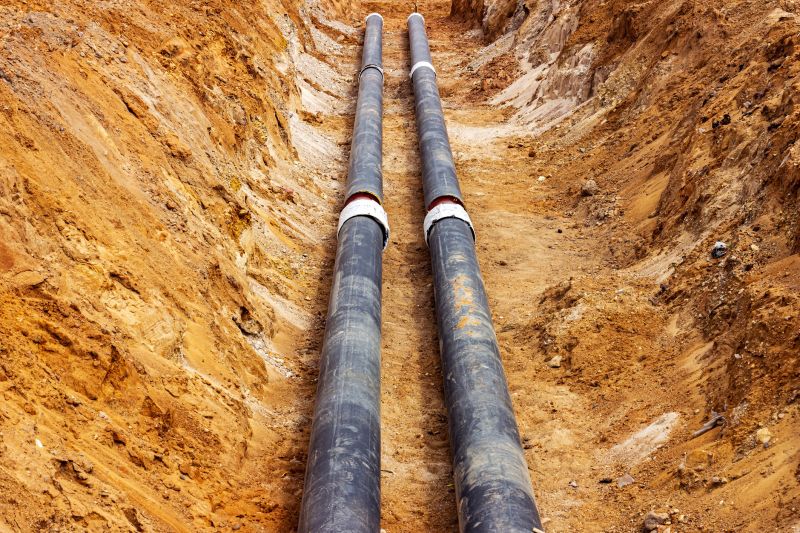
When evaluating contractors for trench installation projects, it’s important to consider their experience with similar types of work. Homeowners should inquire about how many trenching jobs they have completed that resemble the scope and complexity of the project at hand. A contractor with a proven track record in handling projects comparable in size and terrain can provide insights into their familiarity with local conditions and potential challenges, helping to ensure the work is performed efficiently and effectively.
Clear written expectations are essential for a smooth project process. Homeowners should seek service providers who can offer detailed estimates, scope of work descriptions, and contract terms in writing. This transparency helps prevent misunderstandings and sets a foundation for accountability. Asking for a comprehensive outline of what the project includes, along with any potential additional costs, can help ensure everyone is aligned from the start.
Reputable references and strong communication are also key factors when comparing local contractors. Homeowners should request references from previous clients who had similar trench installation work done, and follow up to learn about their experiences. Good communication throughout the project - including responsiveness to questions and clarity about progress - can make a significant difference in the overall experience. It’s important to work with service providers who are transparent, approachable, and willing to address concerns promptly, fostering a positive working relationship from start to finish.
Property owners in Denver, CO use Trench Installation services for practical projects around their homes and businesses. This guide focuses on everyday jobs and straightforward project options.
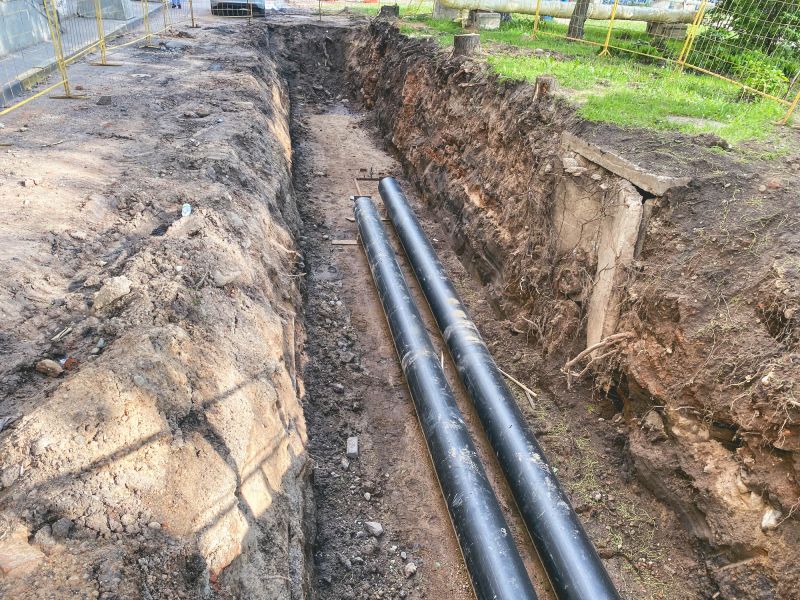
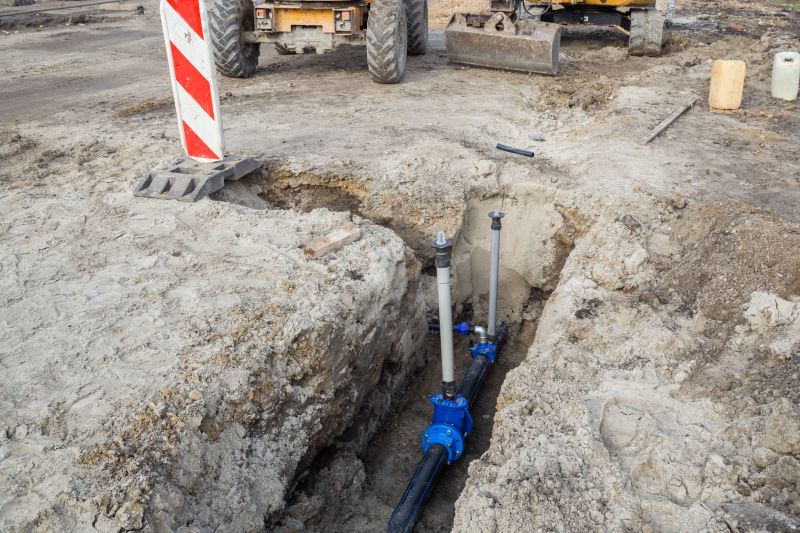
Trench installation services are often needed when property owners in Denver, CO are upgrading their outdoor spaces or managing drainage issues. Whether installing new irrigation lines for a garden, laying underground utilities, or preparing a site for landscaping projects, local contractors can provide the expertise to ensure the trenches are dug accurately and efficiently. These projects are common for homeowners looking to improve their yard’s functionality or address water runoff concerns that can arise due to Denver’s varying weather patterns.
Property owners may also seek trench installation when planning foundation work or repairs. For example, when adding new fencing, installing sprinkler systems, or replacing old utility lines, local service providers can handle the necessary excavation with attention to safety and precision. These tasks are typical for those maintaining or enhancing their property’s infrastructure, ensuring the work is completed properly and with minimal disruption.
What is trench installation used for? Trench installation is commonly used for laying underground utilities, irrigation systems, or drainage solutions in residential and commercial properties.
How do local contractors prepare for trench installation projects? Contractors typically assess the site, determine the appropriate trench depth and width, and plan for proper excavation and safety measures before starting work.
What types of trenches can local service providers install? They can install various trench types, including shallow or deep trenches, depending on the purpose and property requirements.
What equipment do trench installation professionals use? They often utilize excavators, trenchers, shovels, and safety tools to efficiently and safely complete trenching work.
Are there any considerations to keep in mind before hiring a trench installation service? It's important to discuss the project scope, site conditions, and specific utility or drainage needs with local contractors to ensure proper planning and execution.
Drainage Improvement - Installing a trench can help direct rainwater away from a home's foundation, reducing the risk of water damage during heavy storms.
Basement Waterproofing - A trench system can be used to create a waterproof barrier around a basement, helping to keep it dry during wet weather.
Garden and Landscape Drainage - Trench installation can improve soil drainage in gardens or landscaped areas, preventing water pooling and plant root rot.
Erosion Control - Proper trenching can help manage soil erosion on sloped properties by guiding water flow and stabilizing the terrain.
If you are thinking about Trench Installation for a property in Denver, CO, this guide is meant to help you understand the work, the typical project types, and how different options might fit your plans.
When you are ready, you can use the quote form on this page to share a few details about your project. From there, local pros can review the basics and respond with options that match what you have in mind.